How to Choose the Right Power Bank: Capacity, Speed & Safety First
In our increasingly connected world, a dead phone battery is more than just an inconvenience—it can be a genuine source of anxiety, especially for those with high mobility. Whether you're a busy professional, a digital nomad, or simply someone who relies heavily on their smartphone, a reliable power bank has become an indispensable accessory. It acts as your portable lifesaver, ensuring you never have to scramble for a wall socket again. However, with an overwhelming array of options on the market, choosing the right power bank can feel daunting. This comprehensive guide will walk you through the essential factors: capacity, charging speed, features, and crucially, safety, helping you make an informed decision that perfectly matches your needs.
Understanding Your Charging Needs: Capacity is Key
The first and most critical specification to consider when buying a power bank is its capacity, measured in milliampere-hours (mAh). This number indicates how much energy the power bank can store and deliver. A higher mAh rating generally means more charges for your devices, but also often translates to a larger, heavier unit.
To determine your ideal capacity, consider how often and for how many devices you'll need to charge:
- For Daily Top-Ups & Single Device Users: If you just need to get through the end of the day or give your phone one full charge, a 5,000 mAh to 10,000 mAh power bank is usually sufficient. These are typically compact and lightweight, perfect for slipping into a pocket or small bag.
- For Weekend Trips & Multiple Devices: For users who need to charge their phone multiple times, or power a phone and a tablet/earbuds, a 15,000 mAh to 20,000 mAh power bank offers a good balance of capacity and portability.
- For Extended Travel & Heavy Users: If you're frequently on the go, often charge 5-6 times, or need to power several gadgets over multiple days, a high-capacity power bank of 25,000 mAh or even 30,000 mAh is advisable. For instance, a 30,000 mAh model, like the Robot RT31 mentioned in some reports, can easily keep your devices alive for an entire weekend without access to a wall outlet. These larger units provide unparalleled peace of mind, ensuring you never have to worry about finding a charging spot.
It's important to remember that the advertised mAh of a power bank doesn't always translate directly into the same number of charges for your device. Energy loss occurs during conversion, so a 10,000 mAh power bank might only provide roughly 6,000-7,000 mAh of usable power. Always factor in this efficiency loss when calculating your needs.
The Need for Speed: Fast Charging Technologies Explained
Once you've settled on a suitable capacity, the next crucial factor is charging speed. Nobody wants to wait hours for their device to charge, especially when time is of the essence. Faster charging capabilities can significantly improve your experience.
Understanding Watts (W): Charging speed is primarily measured in watts (W). A higher wattage output means your device will charge more quickly, provided your device also supports that higher wattage input. Modern fast-charging standards include:
- USB Power Delivery (PD): This is arguably the most prevalent and versatile fast-charging standard, especially for newer smartphones, tablets, and even some laptops. A power bank with PD can often charge an iPhone up to 50% in just 30 minutes, as highlighted by products like the RT31 with 18W PD or the Baseus 10000mAh Magnetic Mini, which boasts an impressive 30W PD. Always check if your device supports PD to fully utilize this speed.
- Qualcomm Quick Charge (QC): Another widely adopted standard, particularly common in Android devices. Many power banks offer both PD and QC compatibility, ensuring broad device support.
- Proprietary Technologies: Some phone manufacturers (like Samsung, OnePlus, Huawei) have their own fast-charging protocols. While a universal fast charger might work, you'll get optimal speeds with a power bank that specifically supports these, or a charger with higher universal output (like PD).
Look for power banks that offer "two-way fast charging." This means not only can the power bank rapidly charge your devices, but the power bank itself can be recharged quickly. This feature, present in innovative models like the Baseus 10000mAh Magnetic Mini, significantly reduces downtime, allowing you to quickly replenish your portable charger before your next adventure. While a 30,000 mAh unit like the RT31 might take around 9 hours to fully recharge, the ability to rapidly charge your phone is often the more immediate concern for users.
More Than Just Power: Ports, Features, and Form Factor
Beyond capacity and speed, a good power bank offers a range of features that enhance convenience and versatility. When considering your options, delve deeper into what makes a power bank truly suitable for your lifestyle. For an even deeper dive into what to look for, check out our article on Power Bank Essentials: What to Look For Beyond Just mAh Capacity.
Port Variety and Quantity
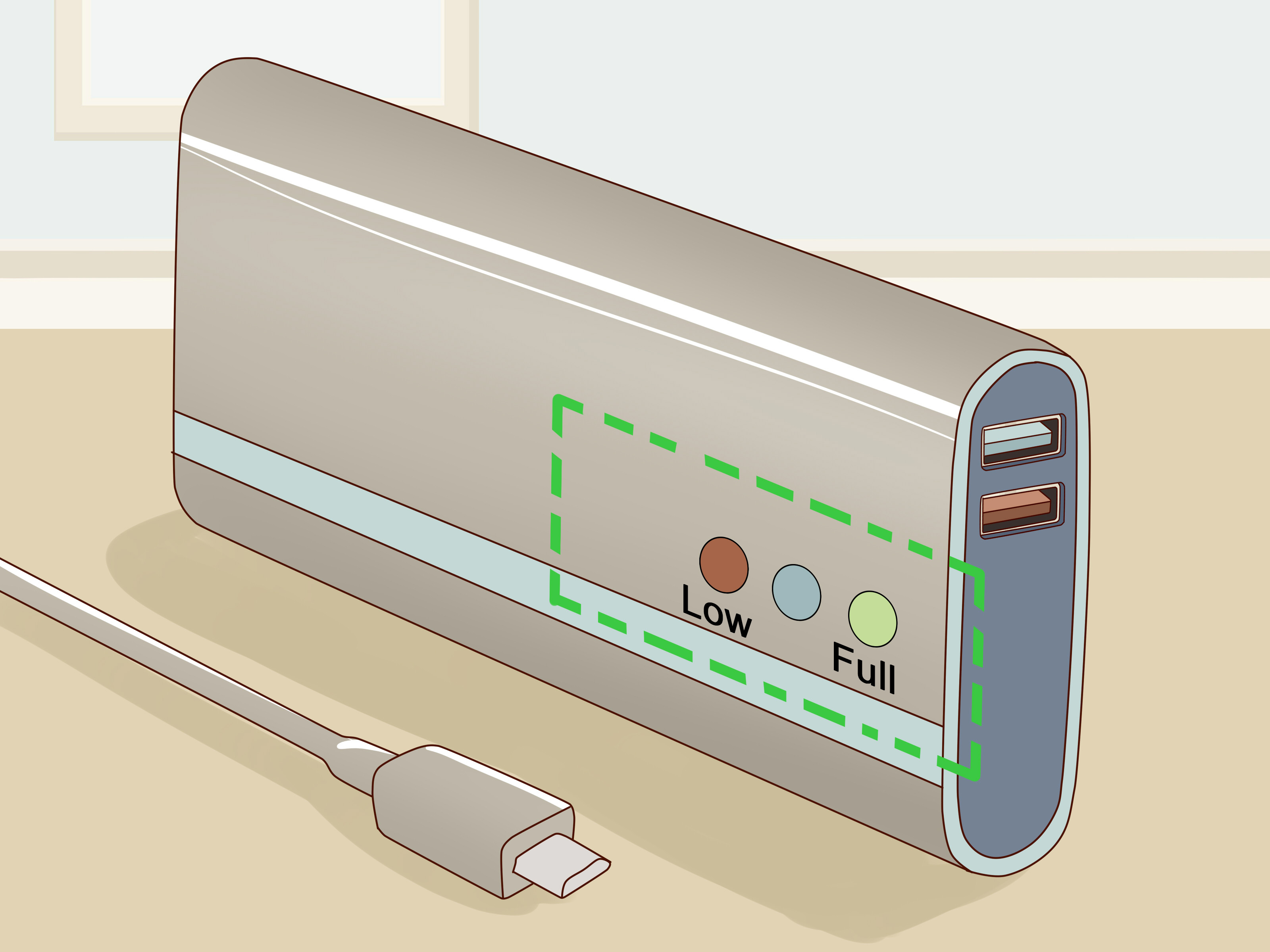
Consider the number and type of charging ports. A single output port might be fine for minimal users, but if you need to charge multiple gadgets simultaneously—say, your phone, earbuds, and a smartwatch—a power bank with two or three output ports is invaluable. The RT31, for example, offers three output ports (2 USB-A and 1 USB Type-C), allowing you to power three devices concurrently. Also, pay attention to the input ports (for recharging the power bank itself), as having both Micro-USB and USB-C options offers flexibility.
Advanced Charging Features
- Wireless Charging: For ultimate convenience, some power banks now integrate wireless charging pads. Models like the Baseus 10000mAh Magnetic Mini take this a step further with magnetic wireless charging. This "snap-to-charge" functionality, especially for compatible iPhones, provides a secure attachment and eliminates the need for cables. Discover more about this technology in our article: Magnetic Power Banks: The Future of Fast & Convenient On-the-Go Charging.
- Built-in Cables: Some power banks come with integrated charging cables (USB-C, Lightning, or Micro-USB), reducing the number of accessories you need to carry. This is a huge plus for minimalists.
- Pass-Through Charging: This feature allows the power bank to charge itself and your connected devices simultaneously, ideal for when you only have one wall outlet.
- Digital Display: A clear LED or LCD display showing the remaining battery percentage is far more useful than a generic set of indicator lights.
Form Factor and Design
Think about where and how you'll use your power bank. Do you need something ultra-compact and lightweight to carry in your pocket daily? Or is a slightly larger, more robust model acceptable for a backpack? The ergonomic design, material quality, and even color can play a role in your satisfaction.
Safety First: Protecting Your Devices and Yourself
Perhaps the most overlooked yet critical aspect of choosing a power bank is its safety features. A poorly made or uncertified power bank can pose serious risks, from damaging your expensive devices to, in extreme cases, causing fires or explosions. Never compromise on safety to save a few dollars.
Essential Safety Protections to Look For:
A reputable power bank should incorporate multiple layers of protection, often referred to as "Smart Protection" systems:
- Overcharge Protection: Prevents the power bank or your device from being overcharged, which can degrade battery life and pose a fire hazard.
- Over-discharge Protection: Stops the power bank from completely depleting its battery, which can damage the internal cells.
- Short-Circuit Protection: Automatically shuts off power in case of a short circuit, preventing damage to both the power bank and connected devices.
- Over-current Protection: Monitors and regulates the output current to prevent devices from drawing too much power.
- Over-voltage Protection: Guards against input or output voltage surges that could harm your devices.
- Temperature Protection: Prevents overheating during charging or discharging, a common cause of battery degradation and safety risks.
The Importance of Reputable Brands
The market is flooded with countless brands, but it's vital to choose products from known, trusted manufacturers. Established brands like Robot or Baseus, as mentioned in our references, invest heavily in R&D, quality control, and safety certifications. They offer:
- Guaranteed Authenticity: Reducing the risk of counterfeit products with inferior components.
- Proven Quality: Products are rigorously tested to meet performance and safety standards.
- Reliable Customer Support & Warranty: In case of issues, a reputable brand stands behind its products.
As Rosita Su, Sales Director of PT Wook Global Technology, highlights regarding the Robot brand, "Robot continues to innovate to present products with the best quality assurance." This commitment to quality and safety is paramount when selecting a device that handles electricity and contains lithium-ion batteries.
Conclusion
Choosing the right power bank involves more than just picking the one with the biggest number on the box. It's a balance of understanding your personal charging habits, prioritizing speed and convenience through modern technologies like Power Delivery and wireless charging, and above all, ensuring the device you choose adheres to the highest safety standards. By considering capacity, charging speed, the number and type of ports, innovative features, and critically, robust safety protections from a reputable brand, you can confidently select a portable charger that will reliably keep your devices powered, wherever life takes you.